This New Rule Will Redefine IOS Operations
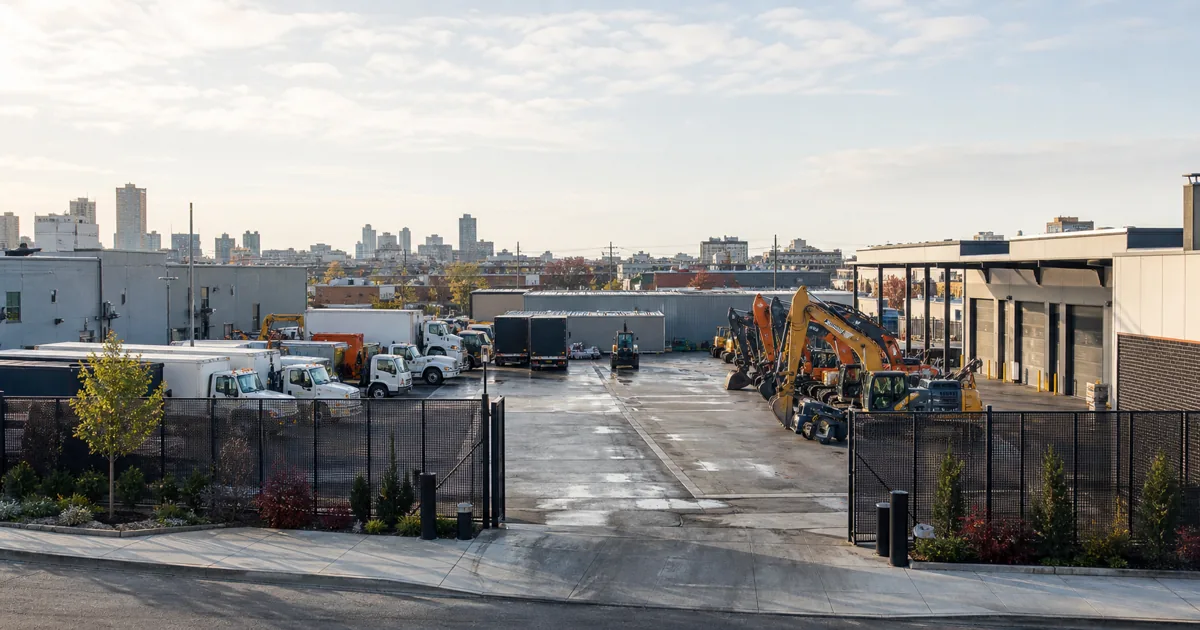
The New OSHA Heat Rule Could Redefine IOS Operations
Your next regulatory challenge won’t come from zoning boards or storm-water inspectors, it’ll come from the thermometer. OSHA’s long-awaited Heat Injury and Illness Prevention Standard is in its final stretch. The agency held hearings from June 16 – July 2, 2025. Once finalized, this rule will require most outdoor and partially-covered industrial sites, including IOS yards, to implement written heat-safety programs.
What’s Coming If OSHA proceeds as drafted, you’ll need to: - Measure and monitor heat index levels throughout the workday. - Provide shade and hydration when thresholds are exceeded. - Train staff to recognize and respond to heat illness. - Plan rest-break schedules tied to temperature and workload.
These requirements would apply to both employees and contracted crews, mechanics, truckers, equipment-operators, and anyone working in your yard.
Why It Matters for IOS Most IOS sites are fully exposed, with limited cooling infrastructure. That makes compliance non-negotiable once the rule takes effect. Costs could rise for: - Site upgrades (shade canopies, misting systems, mobile cool stations). - Administrative labour (record-keeping, monitoring, reporting). - Insurance, as underwriters begin pricing heat-risk into outdoor operations.
But there’s upside too. Early adopters will face fewer operational shutdowns, stronger safety metrics, and potentially better ESG optics for capital partners.
The Timeline - Aug 30, 2024: NPRM published. - Jan 14, 2025: Last day for general comments. - June 16 - July 2, 2025: Public hearings held. - Oct 30, 2025: Deadline for post-hearing comments (for those who submitted NOIs). - Early 2026: Expected publication of the final rule (estimate only).
Bottom Line IOS operators who treat heat mitigation as a compliance checkbox will struggle. Those who build it into daily site design, cooling stations, flexible shifts, smart sensors, will stay ahead of OSHA, protect their crews, and keep yards productive.